
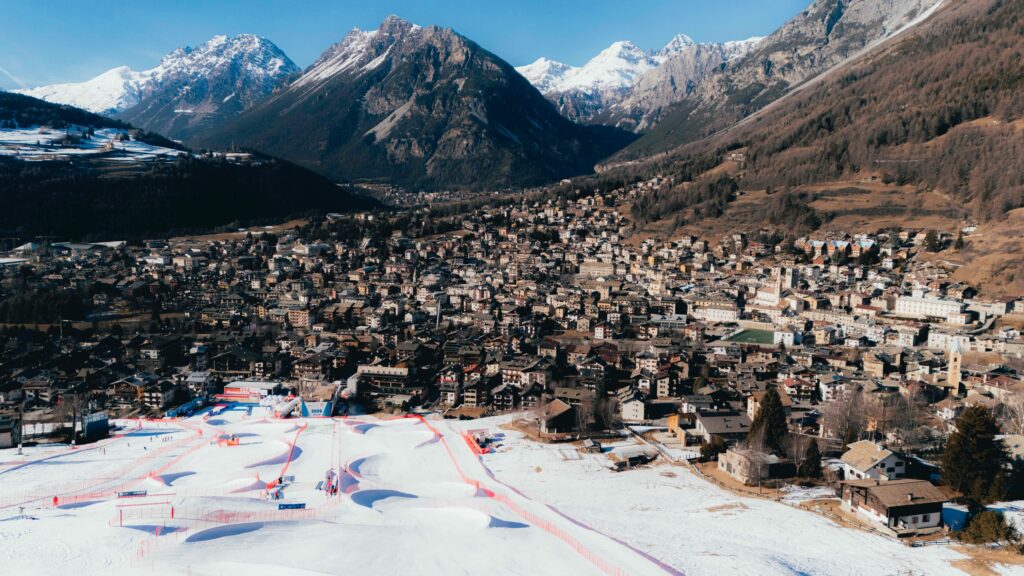
In the historic streets of Bormio, preparations are underway not only for competition, but for something more enduring. As ski mountaineering makes its Olympic debut at Milano Cortina 2026, the focus extends beyond medals. This moment strengthens the long-term relationship between sport, mountain communities and responsible tourism.
For the International Ski Mountaineering Federation (ISMF), this debut reflects years of technical refinement, global expansion, youth development pathways and strengthened governance. In Bormio, that work meets a region with deep alpine heritage and a clear strategic direction.
A Host Region Aligned with the Sport
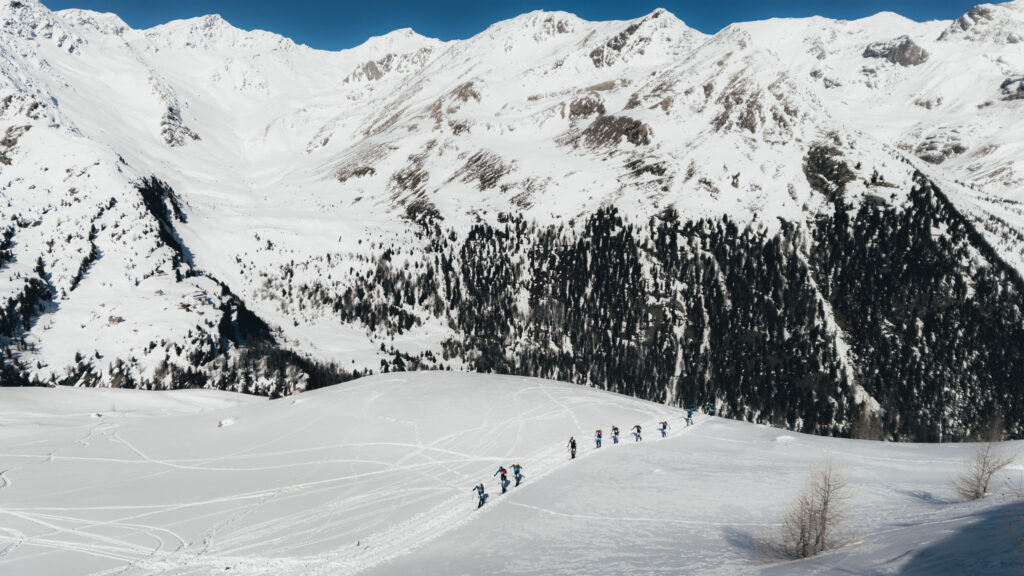
Bormio’s Olympic venue sits alongside the Stelvio slope, yet the most significant legacy lies beyond the race track. The town has introduced the Stelvio Natural Skimo Trails, signposted uphill routes integrated within existing ski areas, alongside a dedicated Skimo Pass that formalises structured access for uphill athletes.
These initiatives respond to a clear participation trend. Recreational ski mountaineering has grown steadily across Europe and North America, driven by athletes seeking endurance, self-reliance and direct engagement with the mountains. By providing safe and structured uphill access within a resort environment, Bormio has embedded ski mountaineering within its long-term tourism strategy.
“The Olympic Games provide visibility,” said Regula Meier, President of the ISMF. “The real value lies in what remains afterwards. In Bormio, we see investments designed to serve athletes, local communities and the mountains themselves. That alignment is essential for our sport.”
A Compact and Adaptable Olympic Contribution
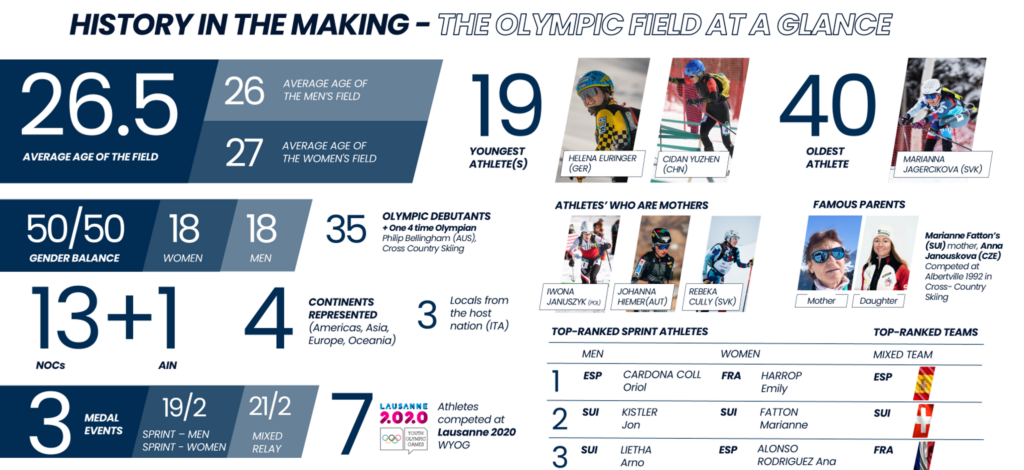
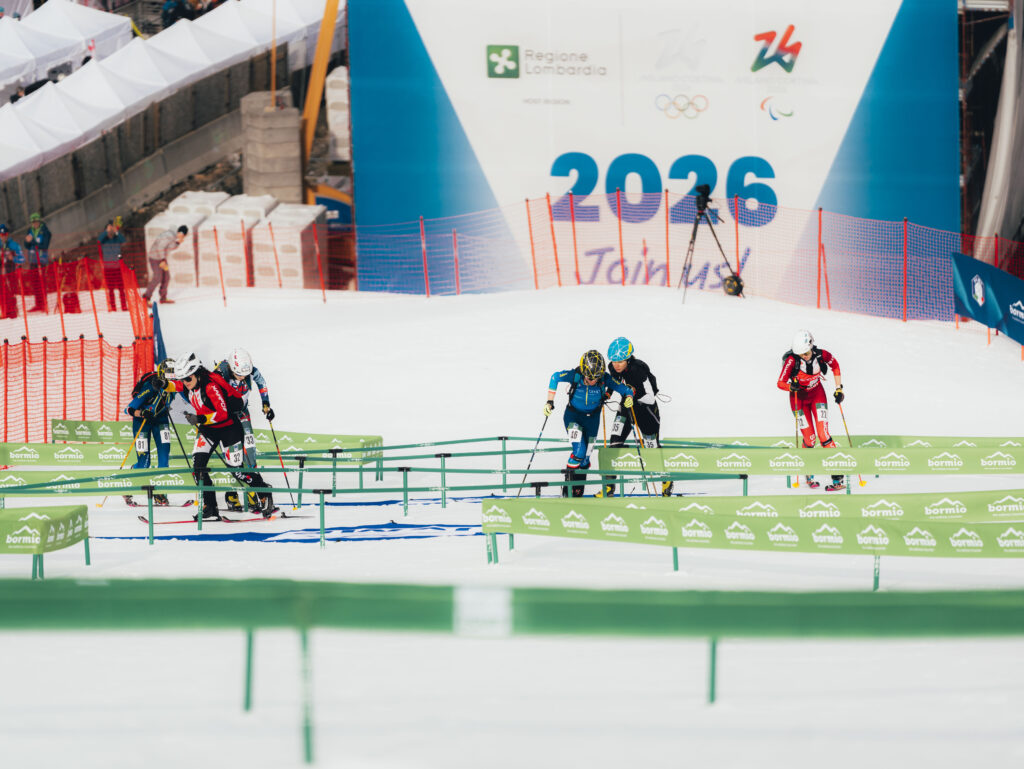
“The Olympic field in Bormio brings together 36 athletes from 14 nations, with full gender balance and representation from four continents,” said Ramone Cooper, Director General of the ISMF. “The sprint and mixed relay formats offer a fast and technical expression of ski mountaineering that integrates efficiently within an existing alpine venue.”
Meier underlined the broader context:
“The Olympic competitions represent one expression of ski mountaineering. The sport itself is broader. From compact sprint formats demonstrating technical precision within a contained venue footprint, to individual, vertical and long-distance team events that test endurance across expansive mountain terrain. Olympic inclusion strengthens the visibility of this entire landscape.”
Since confirmation of its inclusion at Milano Cortina 2026, ISMF membership has expanded to more than 55 National Member Federations worldwide, up from 38 in 2021. Participation continues to grow not only in established alpine nations, but also in emerging winter sport markets across Asia and the Americas.
For host regions, ski mountaineering offers distinct advantages: compact integration into existing venues, limited permanent construction requirements, and compatibility with protected mountain environments. These characteristics align closely with the sustainability frameworks increasingly prioritised by Winter Games organisers.
Mountain Tourism in Transition
The integration of ski mountaineering into Bormio’s tourism model reflects a broader evolution across alpine destinations. Mountain communities are increasingly seeking visitors who engage actively with the terrain, extend the winter season into spring, and contribute to a balanced local economy.
The Stelvio Natural Skimo Trails illustrate how established resorts can diversify without expanding lift infrastructure. Later-season snow reliability at higher altitudes further supports ski mountaineering’s compatibility with current climate realities.
For Bormio, the Olympic moment accelerates a strategy already underway, positioning the region as a reference point for structured uphill access and responsible mountain tourism.
A Long-Term Perspective
As the athletes arrive in the Valtellina valley this week, they are not only competing for medals. They are demonstrating how ski mountaineering can contribute to the evolution of the Winter Games, through efficiency, adaptability and respect for mountain environments.
When the competitions conclude, the impact will extend beyond the podium. The visibility generated through the Games will reinforce ski mountaineering’s international platform, while the infrastructure and tourism initiatives implemented in Bormio will continue to serve athletes and visitors alike.
“For the ISMF, the objective remains consistent: to develop ski mountaineering responsibly, uphold strong technical and governance standards, and ensure that Olympic inclusion benefits the sport as a whole,” reflects Jordi Canals, ISMF General Secretary.
In Bormio, the Olympic flame will move on. The mountains, the trails and the community will remain, strengthened by a moment that connects sport, place and long-term purpose.
Olalla Cernuda
ISMF Communications Consultant